

You fell a leaning oak on a Saturday, assuming it’s a holiday and no one would mind. An hour later, a neighbor calls code enforcement. A white truck rolls up. A stop-work order is handed to you. By Monday you are facing fines, a mandated replanting plan, and an insurance adjuster casually hinting at how the claim isn’t going to fly because you broke the law. The stump’s still there, the logs block your driveway, and the stress is now bigger than the tree ever was. Sound familiar? Here’s what removing a tree without a permit can really cost in money and time.
What “needs a permit” more often than you think
Most communities govern tree removals with a tree ordinance. Triggers include specification on the heritage tree list, size thresholds such as DBH, or placement within a right-of-way or proximity to wetlands. Even dead or hazardous trees often require some type of justification. Some municipalities prohibit heavy structural pruning. Residents of a planned development are also subject to HOA approval as well as fines. The phrase “my yard, my rules” shouldn’t apply. Call the planning department to determine the thresholds that must be met to avoid costly surprises such as a permit.
Civil liability and neighbor disputes
A permit does not prove ownership. A boundary tree is often co-owned; cutting it down without consent risks civil liability for trespass and encroachment. Roots, even cutting them, can weaken a neighbor’s tree and pose a danger from above and below. Any part of a tree, or the tree itself when cut, and the line of falling, which is considered a felling path, may cross a boundary. There may be liability for a nuisance or damage to the neighbor’s property. Do the work of verifying the survey line, confirming with the neighbors, and capturing the agreements. When in doubt, consult an ISA Certified Arborist.
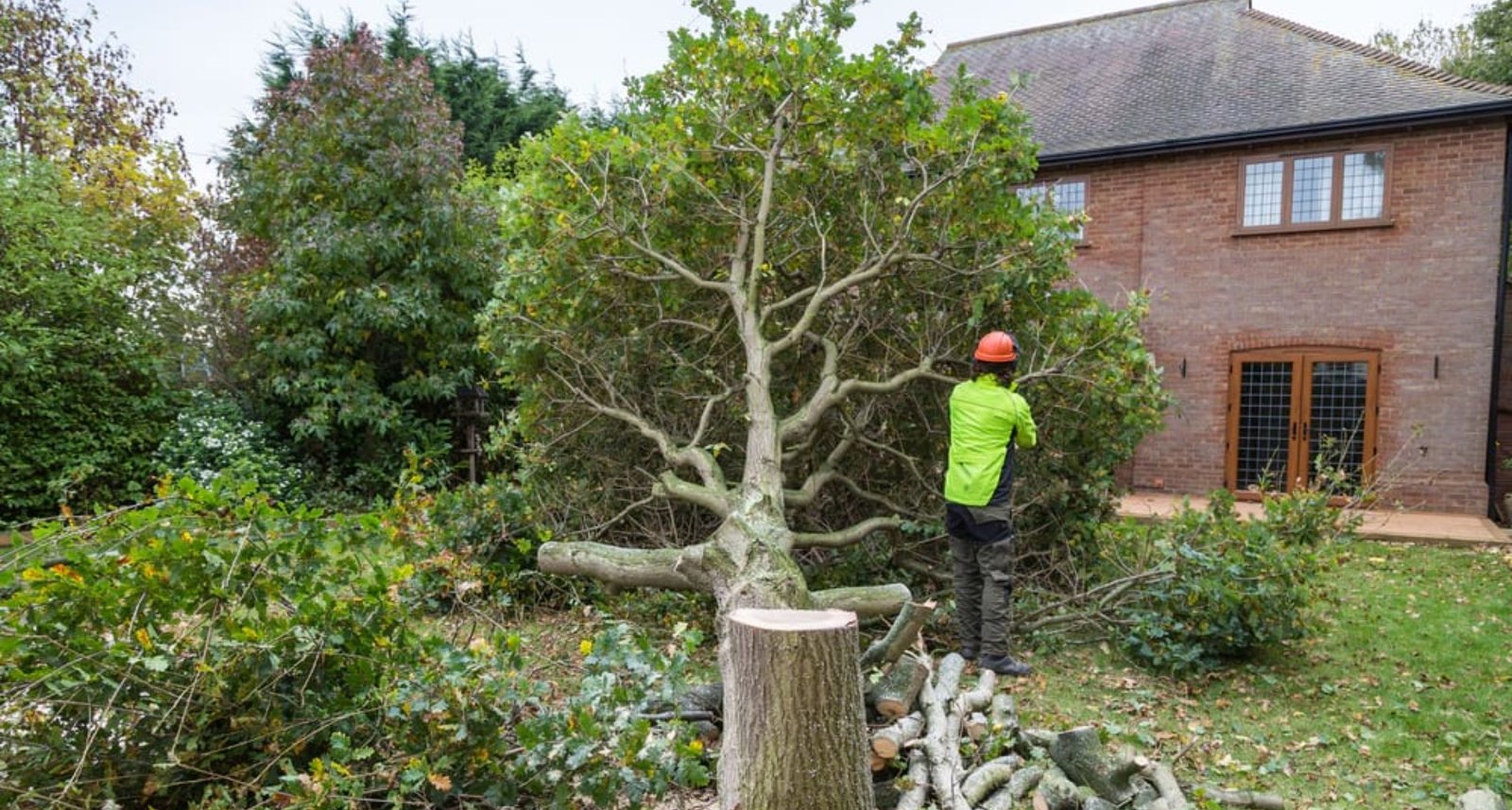
Insurance and mortgage consequences
All insurance companies expect that policies are followed in full. If damages or personal injury are caused by an unpermitted activity, a claim on a homeowner’s policy may be rejected on the grounds of illegal activity. Unpermitted removals may also be a problem for lenders during mortgage or refinance appraisals, in which case, closings could be postponed pending proof of permit denial or mitigation. Any work near power lines often needs the utilities to be cleared; ignoring this can result in outages, fines and other serious consequences.
Environmental and urban-forestry impacts
Unjustified removals work towards cooling neighborhoods, managing stormwater, and preventing erosion, while also chipping away at the urban canopy. The oaks and pines are the core of the habitat. Losing them without a plan fragments shade corridors for birds and pollinators. Within the dripline, cutting stresses the trees you plan to save as it compacts the soil and disrupts the root zone. This action also disrupts the urban canopy which the municipal foresters keep track of. Permits are skipped and, as a result, the city has to spend more to meet the set climate and flood-control targets and the goals are still unmet.
Real-estate and resale risks
Buyers and lenders ask questions when they see a fresh stump where a signature tree used to be. Was there a notice of violation? Were grade changes approved? Title companies sometimes request evidence of final inspection to ensure no open cases carry over. Meanwhile, the loss of shade can increase cooling costs and reduce curb appeal, quietly lowering your selling price. If you plan to move within a couple of years, documented, permitted work is an easier story to tell and far less likely to derail a deal.
Emergency exceptions — and when they don’t apply
Ordinances usually allow immediate action for imminent hazards: a cracked trunk over a nursery, or a lightning-struck pine threatening the public right-of-way. But an “emergency” is narrow. You’re typically required to take photos, retain an ISA Certified Arborist’s letter, and file notice within a short window. Convenience issues—leaf litter, lifted pavers, or too much shade on panels—rarely qualify. If a storm is forecast and you’re worried, request a tree risk assessment in advance. Document conditions and keep receipts for temporary controls like cabling or bracing.
How to stay compliant, step by step
- Map the tree. Record species, DBH, and distance to structures, setbacks, and easements.
- Check authorities. Read the municipal tree ordinance, HOA covenants, and state environmental rules.
- Call before you cut. Order utility locates; coordinate utility clearance if wires are involved.
- Get qualified help. Hire an ISA Certified Arborist who follows ANSI A300 and local safety standards.
- File the permit. Include a site plan, photos, and any required tree survey or mitigation plan.
- Post approval. Keep the permit visible; many inspectors require this at the job site.
- Close out. Submit replanting receipts or payments and keep records for future real-estate transactions. Document everything with dated photos.
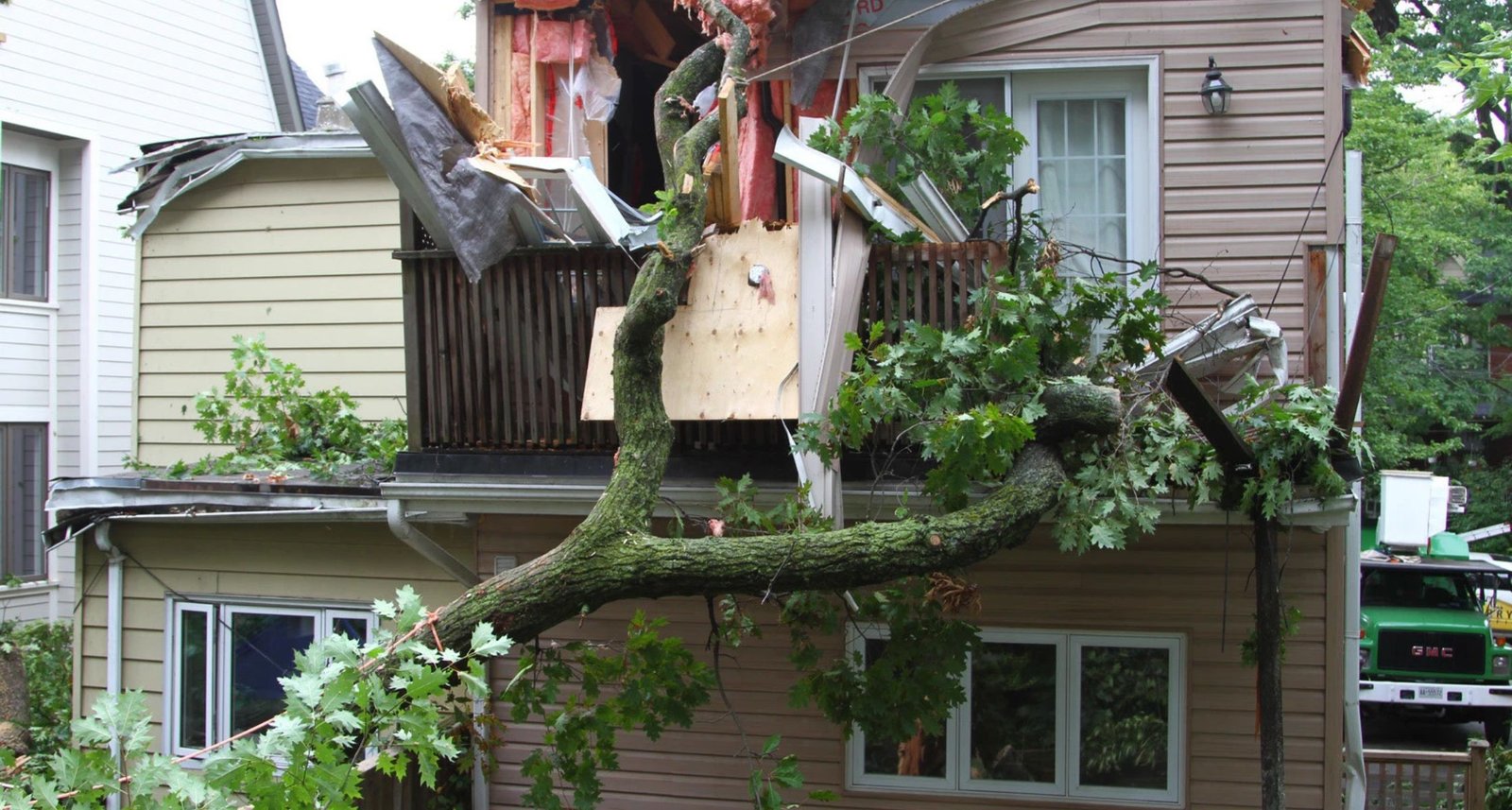
DIY versus hiring a pro
You may find it less costly to rent a saw but, professionals have the general liability and workers’ comp, know how to rig around roofs, control traffic, carry out stump removal, and do a lot more. Above everything, dependable companies take care of the permit application, scheduling of inspections, and protect you from very costly mistakes. As for the DIY approach, you may only take ornamentals that are far from structures and power lines. You should never work within the dripline of a large tree, without expert advice.
The true cost of skipping the permit
When you total fines, attorney time, denied insurance claims, equipment rental, and required replanting, skipping the permit is almost never cheaper. You also lose the shade, privacy, and energy savings that mature trees provide. A compliant plan safeguards your budget, your relationships, and your neighborhood’s canopy today.
Conclusion
Trimming trees without obtaining the necessary permits can be more time-consuming than just the job at hand. It adds on going through penalty processes, paperwork, and having conversations which can be very uncomfortable. Do the paperwork, keep touch with the trees and engage in the paperwork you are advised to do. For qualified risk management and removals, fulfilled with the permits, please contact Tree Cutting BX.


No Responses