
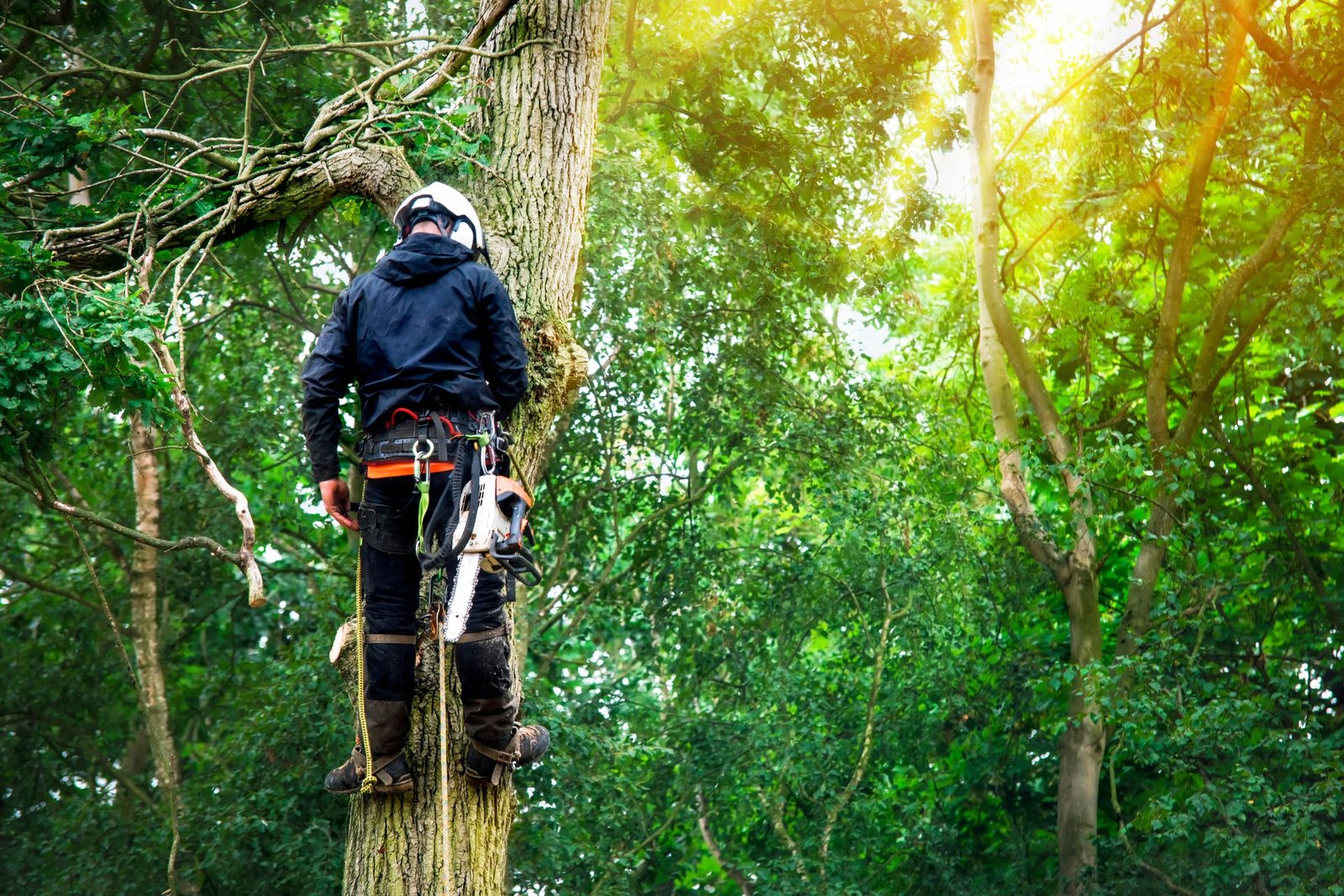
The selection of trees to use in the Bronx yards is a serious move that influences the value of the property, its security, and the health of the landscape in the long run. The city setting poses very specific problems, such as a lack of space, air pollution, compacted soil, and the proximity of buildings. The trees chosen must be able to tolerate such conditions, and this way, the homeowners are able to enjoy the shade, beauty, and other environmental values without having to incur unnecessary maintenance issues. This book discusses the ideal trees that one can plant in their Bronx yards, the ones that should be avoided, and the factors that lead to proper, healthy, and long growth.
Understanding Bronx Yard Conditions
The Bronx properties are usually characterized by smaller yards, walkways and proximity to buildings. These aspects need to be looked into during the selection of trees. Space constraints imply that the areas of root systems and canopy spread should be controlled so as not to end up ruining foundations, driveways, and underground utilities.
The climate of the place also contributes to the choice of trees. Bronx yard trees need to be able to withstand seasonal fluctuation of temperatures, urban pollution, and different moisture conditions. Planting species that are adjusted to such conditions would guarantee healthier growth, minimise the probability of disease or early decay, and contribute to having a robust and resilient landscape all-year round.
Best Trees for Small Bronx Yards
In the case of smaller yards, small and slow-growing trees are most suitable. Plants like serviceberry, dogwood or Japanese maple are visual effects that are not overwhelming to small spaces. The trees offer color change of seasons, controlled roots, and moderate canopy sizes to be adopted in urban landscape.
Less pruning and maintenance are necessary for small trees over time as well. They are also safer along walkways and buildings as a result of their controlled growth. These trees are not only attractive to the curb when properly planted, but they also do not conflict with other buildings. Besides, they develop friendly garden areas that do not encroach upon the properties of neighbors or common urban places.
Best Shade Trees for Larger Spaces
The bigger yards of the Bronx can be filled with medium-sized shade trees that have the advantage of adding cooling and enhancing comfort in the outdoors. Such trees as red maple, honey locust, and tulip poplar are used due to their flexibility and hardiness.
Shade trees reduce the heat and energy expenses in summer as well as enhancing the quality of air. Nevertheless, it is important to properly position the roots and the trees so that it does not cause interference with the surrounding buildings. Shade trees may have great potential to enhance the use of the yard, to provide nesting space to the native birds, and to facilitate a more stable urban environment through careful planning.
Native Trees and Their Benefits
The most appropriate trees in the Bronx yards would be native tree species, which are naturally adapted to the local conditions. Oaks, birch, and sweetgum are some of the trees that sustain the local wildlife and also do not need much water and care upon their introduction.
Local pests and diseases also have lower rates of resistance to native trees. The fact that they fit well in the environment makes them grow healthier and be stable in the long term. The use of native species leads to a landscaping that is sustainable and can be of benefit to homeowners and the ecosystem around them in addition to the aesthetic beauty of the urban yards.
Trees to Avoid in Bronx Yards
Some trees may appear beautiful, but they can lead to severe complications over time. Rapidly multiplying species such as willow, silver maple, and poplar usually have weak wood and vigorous root systems. These qualities predispose the area to the danger of storm damage and structural interference.
Plants and animals that were not intended to live there should also be discouraged, as they spread quickly and destroy the local habitats. Overleaf-dropping trees, trees that have weak branches or have large surface roots may need a lot of upkeep, and this may cause a lot of expensive repairs. Prevention of such species saves time, efforts, and money, besides ensuring the security of your property.
Root Systems and Infrastructure Concerns
The most significant consideration when planting in an urban yard is the tree roots. Aggressive roots may destroy pedestrian walkways, plumbing, and buildings when cultivated too near buildings.
Trees with deep roots that do not invade other underground structures are selected to preserve property infrastructures. Adequate spacing and good planting methods also minimize any chance of root damage and also favor the healthy growth of the trees. Proper management of root systems will also enhance nutrient uptake and the general well-being of the trees, and the landscape will be tougher.
Maintenance Requirements and Long-Term Care
Each tree is associated with maintenance costs. Some should be pruned frequently and those that drop off fruit, sap, or too many leaves. Knowledge of maintenance needs will assist the homeowner in selecting the trees that suit them in terms of time, budget, and expectations.
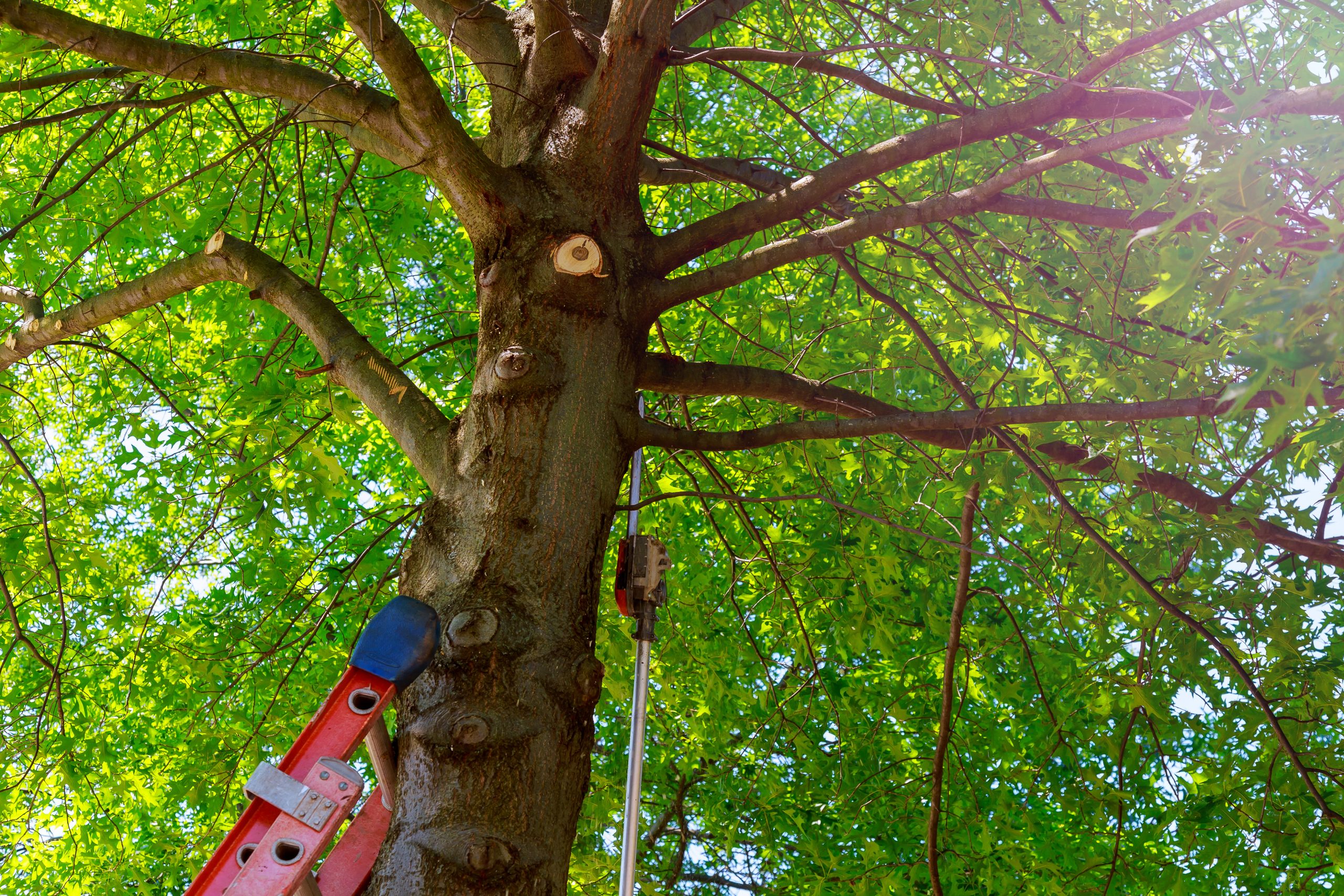
Long-term care entails checking the health of the trees, treating diseased trees at a young age, and treating the growth. The easier trees are to preserve, the healthier and safer they are, and the fewer cases of emergency problems in the future. Well-maintained trees are also aesthetically pleasing and can be used to offer shade, privacy, and beauty over a long period of time.
Professional Guidance Makes a Difference
The abundance of trees available will bewilder without professional help. Local knowledge of soil, climate, and space constraints is given by the professional tree specialists. Their advice can prevent expensive errors of homeowners when choosing trees that grow.
Planting with experts and constant attention will guarantee the trees to grow with a good root system and balanced growth. Professional understanding is particularly important when working with older buildings or in a complicated yard structure, which helps to safeguard investments and avoid potential risks in the future and contributes to sustainable urban landscape development.
Conclusion: Choose the Right Trees with Expert Help
Planting the right trees will beautify the property, increase its safety, and environmental worth. It is important to know the space restriction, tree behavior, and maintenance requirements in order to succeed in the long run. The informed choices will guarantee that trees grow without any structural or maintenance issues.
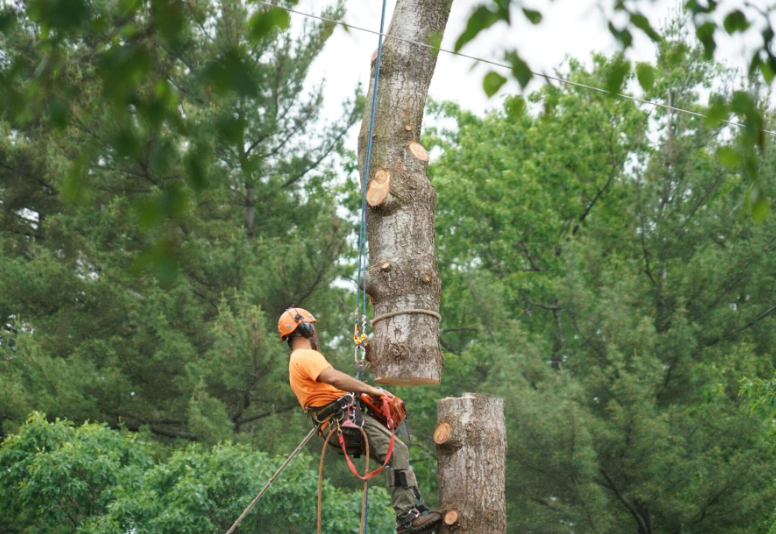
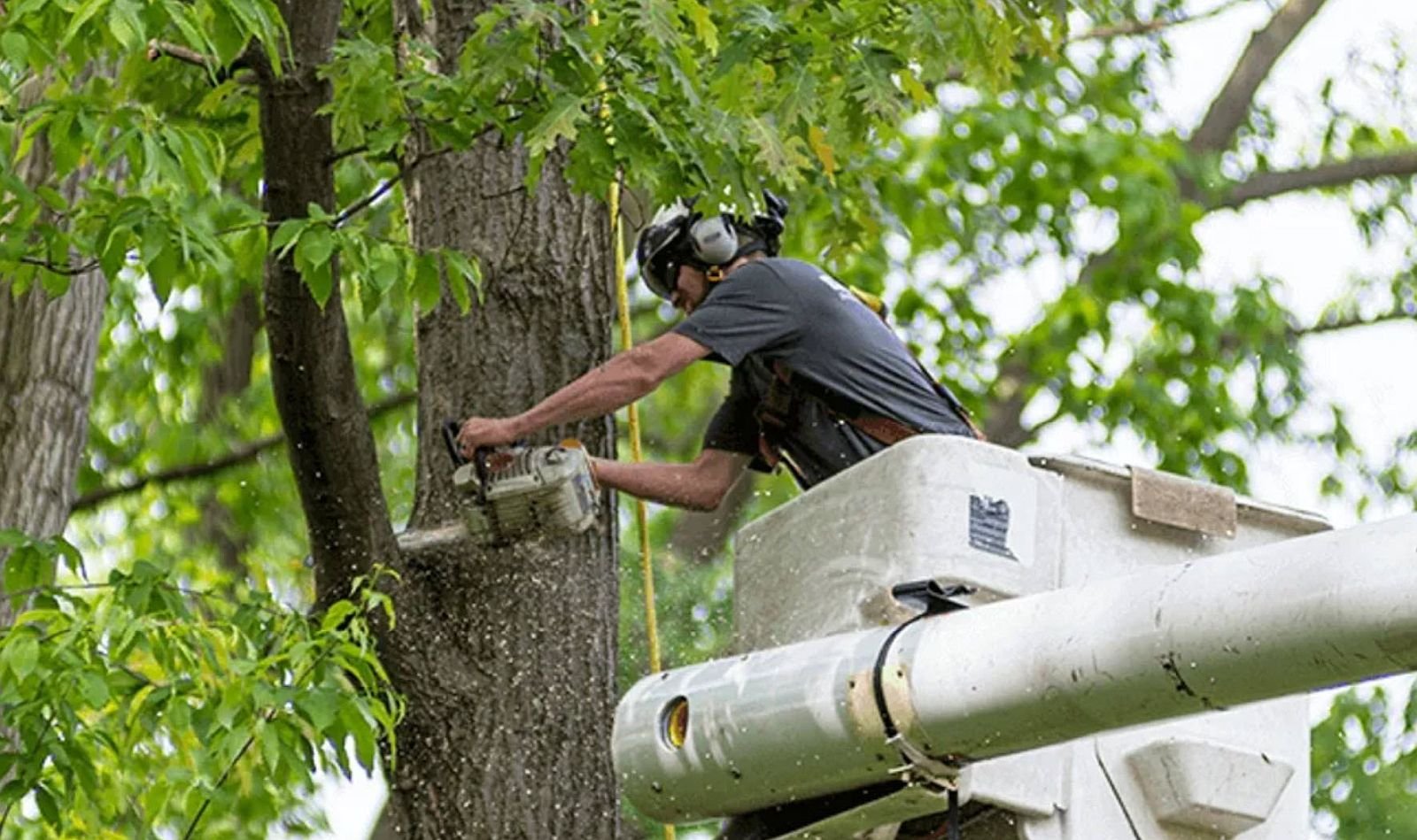
To remove trees, trim trees or get some professional assistance in cutting a tree, call Tree Cutting BX. Their professional staff guides them with professional advice and gives good services so that they can choose, plant and maintain safe-growing trees that are healthy and can give a beautiful landscape and at the same time contribute to landscape beauty and property ownership value.


No Responses