
Most Bronx homeowners think that any day that is not wet and windy is a perfect day to remove a tree. It isn’t. When you fell an oak in the spring months (April through July), you’re not only cutting down wood but also creating a fresh wound that exudes a sappy, sweet fragrance that invites beetles that can carry a fungus that has been known to kill mature oaks throughout the Northeast in weeks after infection. If it’s not done at the right time, a routine removal on your property can turn into a threat to all the other oaks in the neighborhood.
It is a major part of the cost of removal, the damage to your yard and whether it poses a risk of damage to trees nearby. So, based on the Bronx’s distinct climate patterns and pest history, and not on general national guidance, here are some factors that determine the best time of year for tree cutting in the Bronx.
The Short Answer: Late Fall Through Early Spring
Generally speaking, the ideal time of year for Bronx tree removal is late November to early April, for most species of trees and most non-emergency situations. This is dormant season when trees have shed their leaves, sap flow has slowed to a trickle and the tree’s biological systems are resting. This window for concrete is not just a traditional window, but it is also a window that is preferred by arborists on a physical basis.
Why the Bronx’s Specific Climate Matters Here
The Bronx is in USDA zone 7b and is fairly frost tolerant, being virtually guaranteed to be frost free after May 7 and the first fall frost likely occurs in mid-to-late October. That puts Bronx trees in the position of enjoying a longer active growing season than much of the state, which in turn extends the time period when it’s OK to do the cutting: dormancy comes later in fall and earlier in spring than further north, giving homeowners another five months to work, versus three.
Why Dormant-Season Cutting Works Better
The Ground Handles Equipment Better
Chippers, stump grinders and the trucks required to transport debris are heavy. That equipment does considerably less compaction and rutting when the ground is stiff or lightly frozen in the winter as compared to soft and saturated soil in the spring or summer. That is most important in the smaller lots in the Bronx, where there may be no other way for a crew to get to the tree than straight through the lawn.
There’s No Foliage Hiding Structural Problems
A tree that has no leaves is a transparent tree. Arborists can view the entire branch structure, identify cracks, pockets of decay and weak branch unions that are obscured by a full canopy, and carefully plan the cut. This isn’t cosmetic misjudging how a limb will fall because leaves obscured a structural weak point is a genuine safety risk during the growing season.
Sap Isn’t Actively Moving
In the spring and early summer, a tree is pushing new growth and the sap is moving aggressively in the tree. The result is messier cuts and slower wound closure as cutting during this active period is occurring while the tree is still using or investing energy in leaf and shoot production instead of wound healing.
Lower Disease and Pest Transmission Risk
This is the most important one for arborists, and it’s limited to species found all over the borough.
Oak wilt is a fungus disease that can attack oaks, spread through the sap feeding beetle from April through July. Beetles carrying fungal spores can infect a healthy oak when a fresh cut is made during this time of year, and oak wilt moves from tree-to-tree via root grafts, and can kill a mature oak in weeks. During the months when the beetle is active, arborists suggest withholding pruning or removal of oak trees at all.
Dutch elm disease is a similar threat to elms, which is transmitted via elm bark beetles which are also most active during warm weather. In the Bronx, there are still significant numbers of American elms in older neighborhoods, near parks, making timing particularly pertinent if you do have a tree.
It’s worth noting the Bronx has direct history with invasive tree pests: the Asian longhorned beetle, first detected in New York City in 1996, triggered decades of quarantine and removal work across multiple boroughs before the infestation was officially declared eradicated citywide in 2019. The lesson from that program still applies today wood-boring pests move through exactly the kind of fresh wounds that off-season cutting creates, which is part of why arborists remain cautious about warm-weather cuts even for species with no active outbreak.
A Month-by-Month Cutting Calendar for the Bronx
| Months | Cutting Conditions | Notes |
| Nov–Feb | Ideal | Full dormancy, firm ground, no pest activity |
| March–early April | Ideal | Still dormant; last frost typically clears by May 7 |
| Mid-April–July | Avoid for oaks and elms | Peak beetle activity; active sap flow citywide |
| August–September | Workable, not ideal | Sap flow slowing but ground still soft; higher contractor demand |
| October | Good secondary window | Approaching dormancy; book permits early if a street tree is involved |
What About Cutting in Spring or Summer?
Spring and summer aren’t off-limits they’re just not ideal for planned, non-urgent removals.
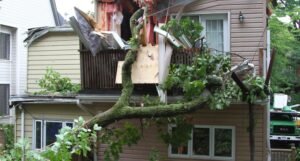
- Hazardous or storm-damaged trees don’t wait for the calendar. If the tree has structural failure, a dangerous lean, or is damaged by storms, it should be taken down as soon as possible, regardless of the season. Timing preference is never a priority to safety.
- Summer work is harder on everything nearby. Removals near other trees, shrubs or actively growing lawn are more likely to cause damage which can only be recovered after a full season.
- Contractors are booked tighter. Cleanup and landscaping requirements are also at a high during storm season (late spring/summer), and in some situations, this may also result in increased charges for landscaping and similar services outside of the storm season.
Don’t Forget: Bronx Permit Timing
Another consideration for doing your removal at the right time is NYC Parks Department approval, which you must obtain prior to removing any street tree growing in the sidewalk strip between the curb and property line. Permit processing is not immediate and landmarked properties can take even longer to process.
For those who wish to remove them in the winter, to gain advantages from the dormant season, begin permit process in the early fall. If the process of paperwork doesn’t start on a street tree until December, you may miss the optimum window and find yourself in the spring by default – which is exactly what you didn’t want.
Winter Scheduling Often Means Better Pricing Too
The peak time for the removal of trees is from late spring until summer when storm clean-up and landscaping season brings the greatest demand to tree removal companies. That demand curve translates to increased availability of the contractors, and in some instances, lower costs in the winter time – because there’s simply more time in the calendar. If you don’t need the removal right away, it may be better to schedule the removal during the dormant season, which is good for the tree and your wallet.
So, When Should You Actually Schedule Your Removal?
- Non-urgent removal, any species: Late November through early April
- Oak or elm specifically: Prioritize dormant season strictly avoid April through July
- Storm damage or safety hazard: Immediately, regardless of season
- Street tree requiring a permit: Start the approval process in early fall to line up with a winter removal date
Plan Your Cut Around the Season, Not Just Your Calendar
Determining correct time to prune a tree is not a matter of convenience for you, but for your safety, to minimize damage to your property, and to reduce the risk to adjacent healthy trees. For the majority of Bronx homeowners, that will mean the dormant season, except in true emergencies.
Tree Cutting BX does not remove trees when the calendar is available, instead they plan removals around what is best for your tree and your property; they also coordinate with NYC Parks Department permits for street tree removals to ensure that the process begins with your call and ends with cleanup.


No Responses