
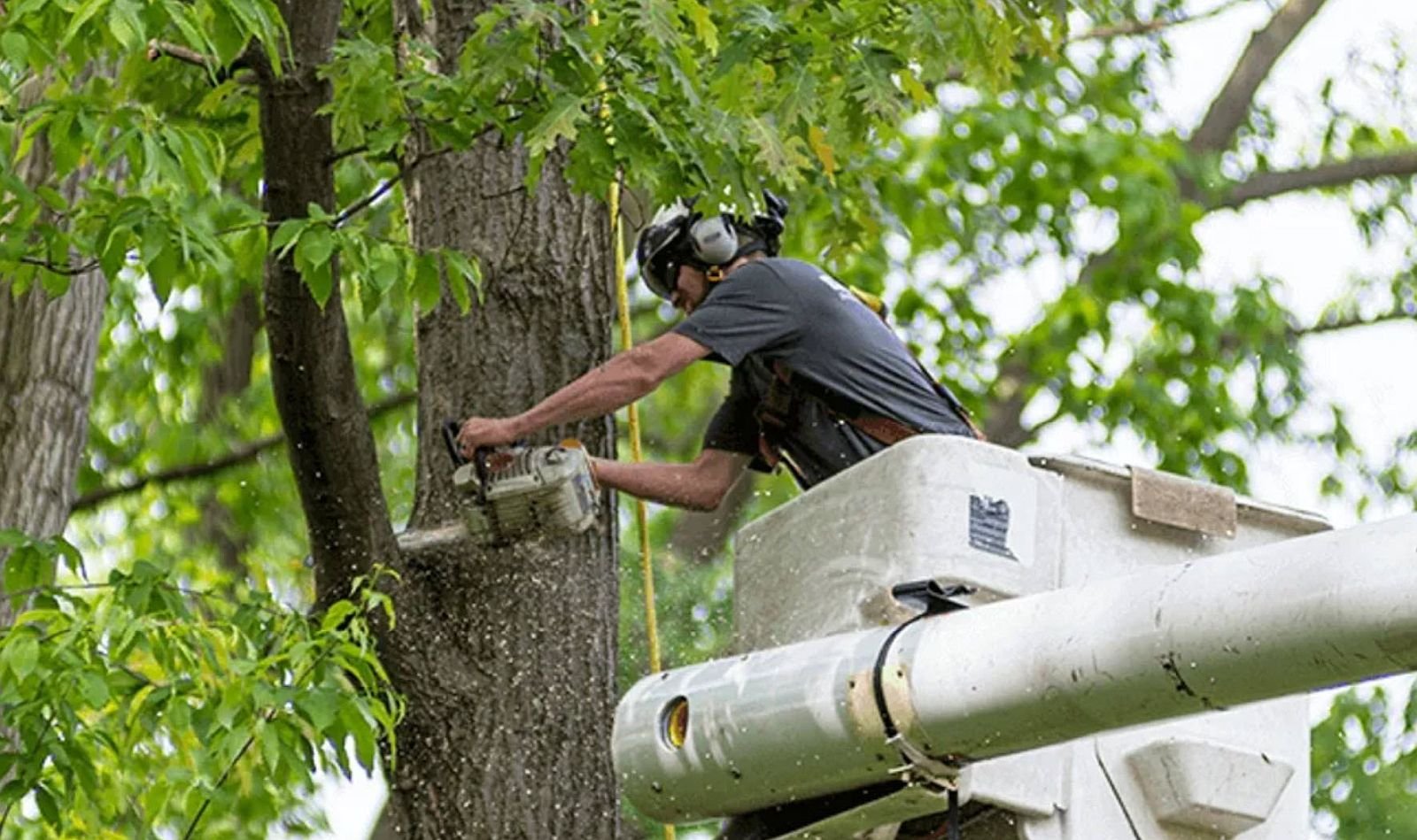
Tree cutting is an important part of maintaining a safe and attractive property, but timing plays a major role in achieving the best results. While emergency tree removal can happen at any time, planned tree cutting is most effective during certain seasons. Understanding when to schedule tree cutting can improve tree health, reduce costs, and minimize risks to your home and landscape.
Why Timing Matters
Trees respond differently to cutting depending on the season. Factors such as weather conditions, tree growth cycles, and disease activity all influence how well a tree recovers after branches are removed or the tree is taken down.
Choosing the right time can make the process safer and more efficient while reducing stress on nearby vegetation.

Winter Is Often the Best Season
Late fall through winter is generally considered the ideal time for tree cutting in the Bronx. During this period, most trees become dormant, making it easier to identify structural issues and safely remove branches.
Benefits of winter tree cutting include:
- Better visibility without dense foliage
- Reduced risk of spreading tree diseases
- Less stress on healthy trees
- Easier access for equipment
- Faster cleanup
Dormant trees also experience less sap loss, which supports healthier recovery when pruning is involved.
Spring Tree Cutting
Spring is suitable for removing dead, damaged, or hazardous trees. However, healthy trees should only be cut when necessary because they are actively growing during this season.
If a tree has become unsafe after winter storms, spring is the right time to address the problem before severe weather returns.
Summer Maintenance
Summer is commonly used for inspecting tree health and removing damaged branches. Heavy storms, high winds, and lightning can weaken trees during the warmer months.
Tree cutting may also be necessary if:
- Large branches are hanging over your roof
- Limbs interfere with utility lines
- Diseased trees threaten nearby healthy trees
- Storm damage creates immediate hazards
Fall Is a Great Time for Property Preparation
Autumn is another excellent season for tree cutting. Before winter snow and ice arrive, removing weak or damaged trees helps reduce the risk of falling branches during severe weather.
Many homeowners schedule tree maintenance in the fall to prepare their landscapes for the coming winter.
Emergency Tree Cutting Can Happen Anytime
Not every tree problem can wait for the ideal season. Immediate tree cutting may be necessary if a tree:
- Falls after a storm
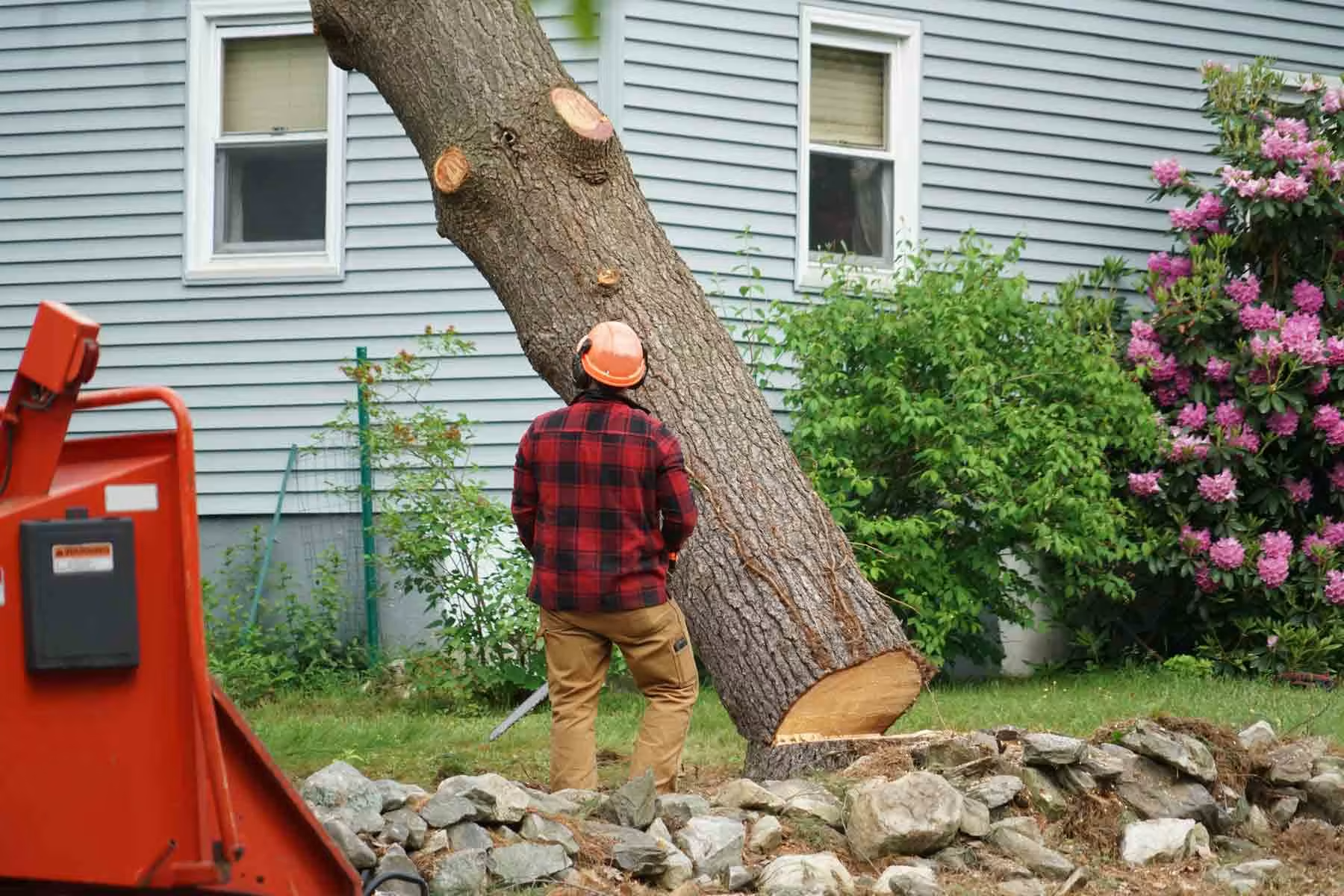
- Begins leaning suddenly
- Has split or cracked significantly
- Blocks a driveway or roadway
- Threatens nearby homes or power lines
Emergency situations should always be handled by experienced professionals with the proper equipment and safety training.
Signs Your Tree Should Be Cut Soon
Regardless of the season, watch for these warning signs:
- Dead or dying branches
- Large trunk cracks
- Hollow sections in the trunk
- Mushrooms growing around the base
- Severe insect infestations
- Noticeable leaning
- Roots lifting from the ground
Ignoring these problems can increase the risk of costly property damage and personal injury.
Hire Professionals for Safe Tree Cutting
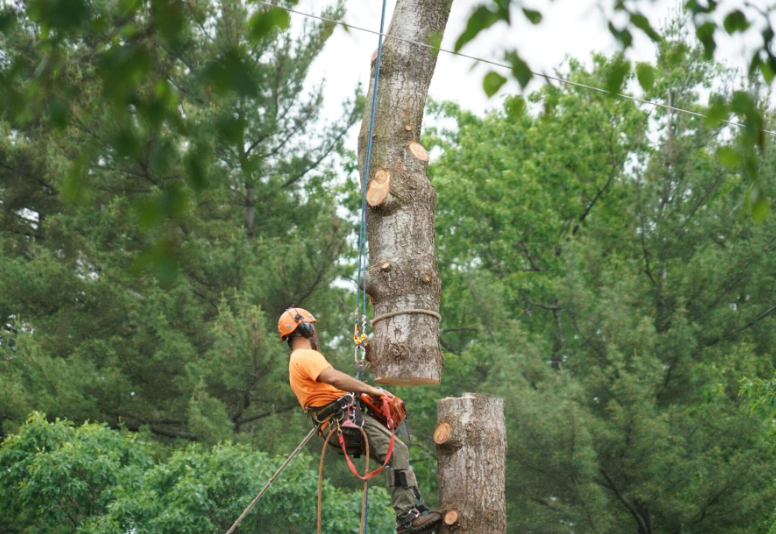
Tree cutting involves more than simply using a chainsaw. Professionals evaluate the tree’s condition, determine the safest removal method, protect nearby structures, and complete the job with proper cleanup. Hiring experienced specialists helps prevent accidents while ensuring the work is performed efficiently and in compliance with local safety standards.
Conclusion
Although emergency tree cutting can be performed at any time, late fall and winter are generally the best seasons for planned tree cutting in the Bronx. Scheduling regular inspections and timely maintenance keeps your trees healthy, protects your property, and helps prevent unexpected emergencies throughout the year.


No Responses