
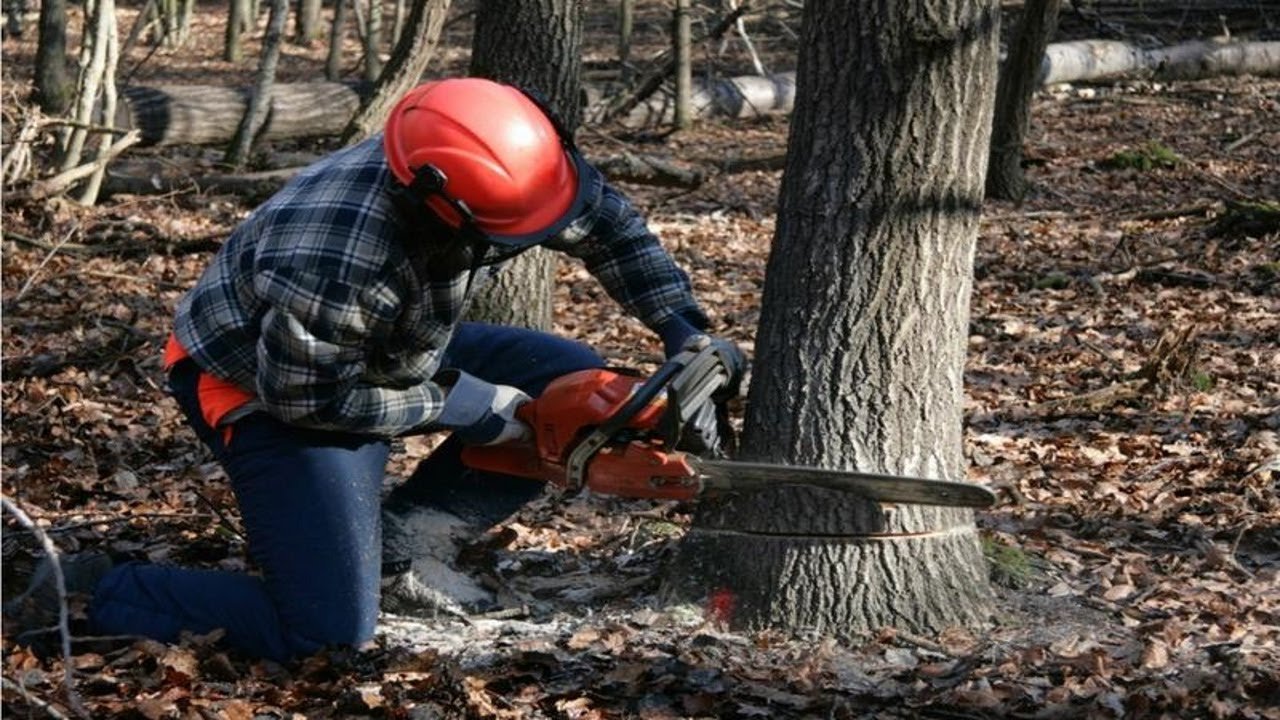
Trees are one of the most valuable features of any property, providing shade, beauty, and environmental benefits. However, keeping them healthy requires proper maintenance. Many homeowners in the Bronx use the terms tree cutting and tree pruning interchangeably, but these services have different purposes. Understanding the difference can help you choose the right solution for your trees while improving safety and protecting your investment.
What Is Tree Cutting?
Tree cutting generally refers to removing large sections of a tree or, in some cases, removing the entire tree. This service is commonly needed when a tree is dead, severely damaged, diseased, or poses a safety risk.
Professional tree cutting is often recommended when:
- A tree is leaning dangerously.
- Branches are touching power lines.
- The tree is damaged after a storm.
- Roots are affecting foundations or sidewalks.
- The tree has become structurally unsafe.
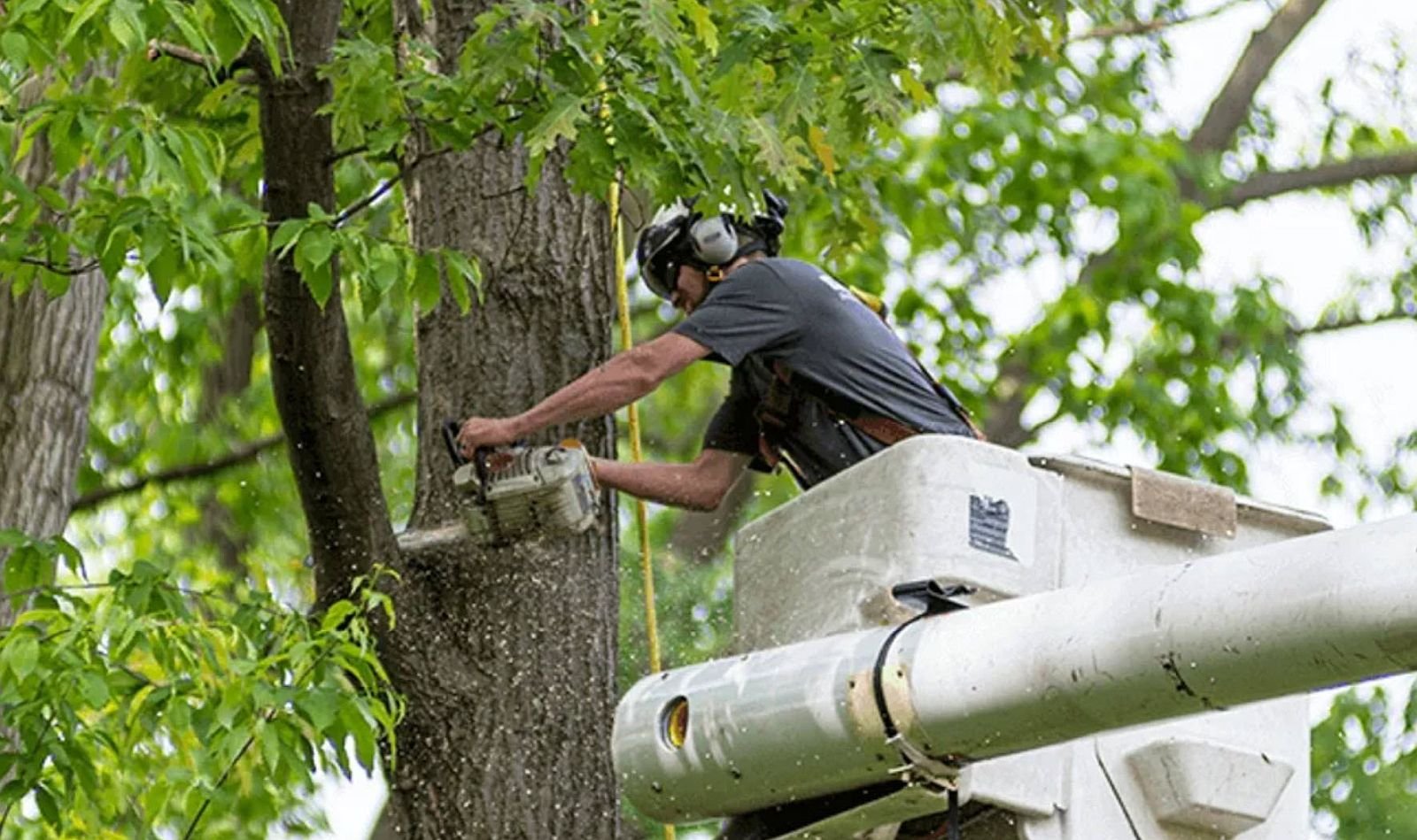
Professional arborists use specialized equipment to complete tree cutting safely while minimizing damage to surrounding property.
What Is Tree Pruning?
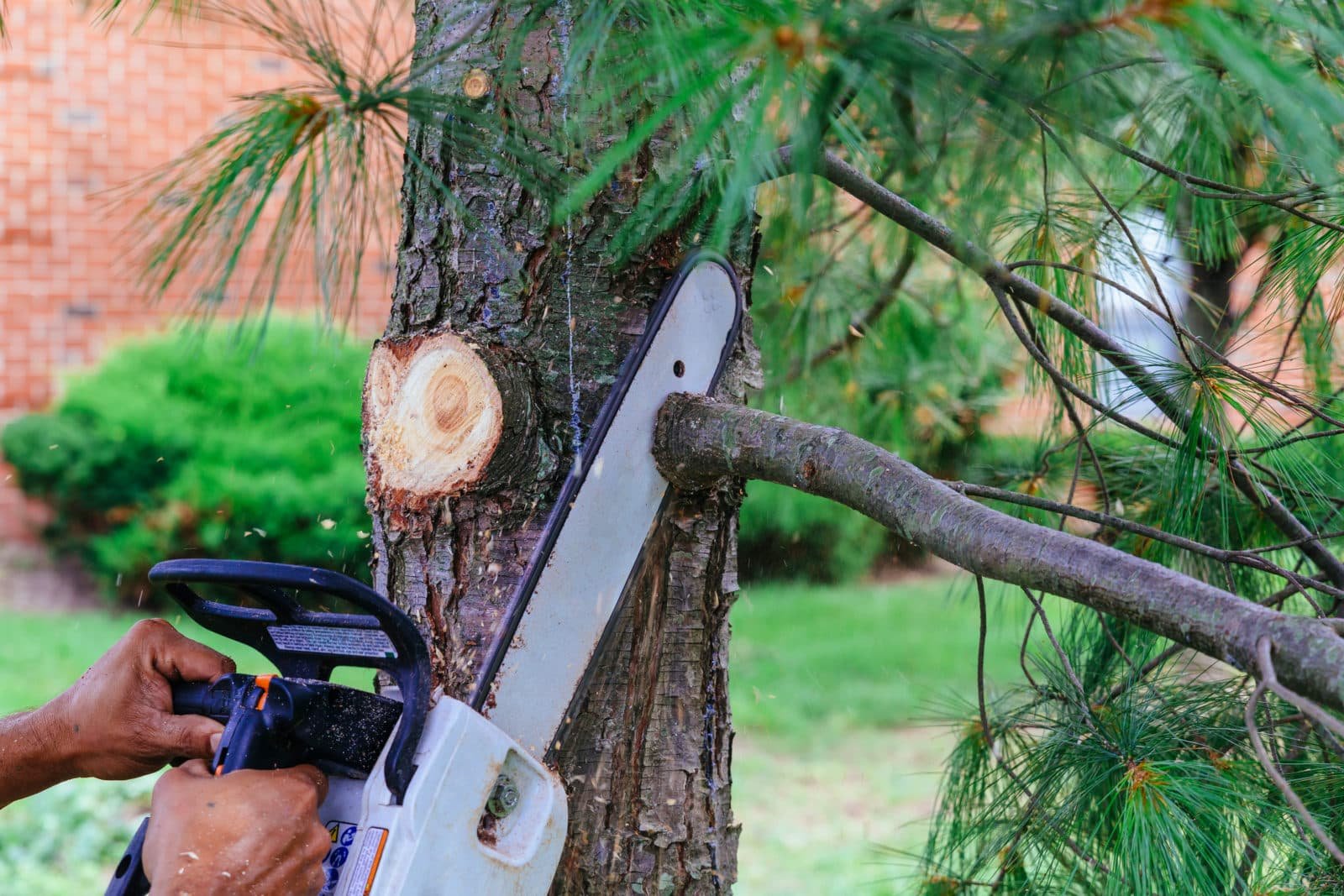
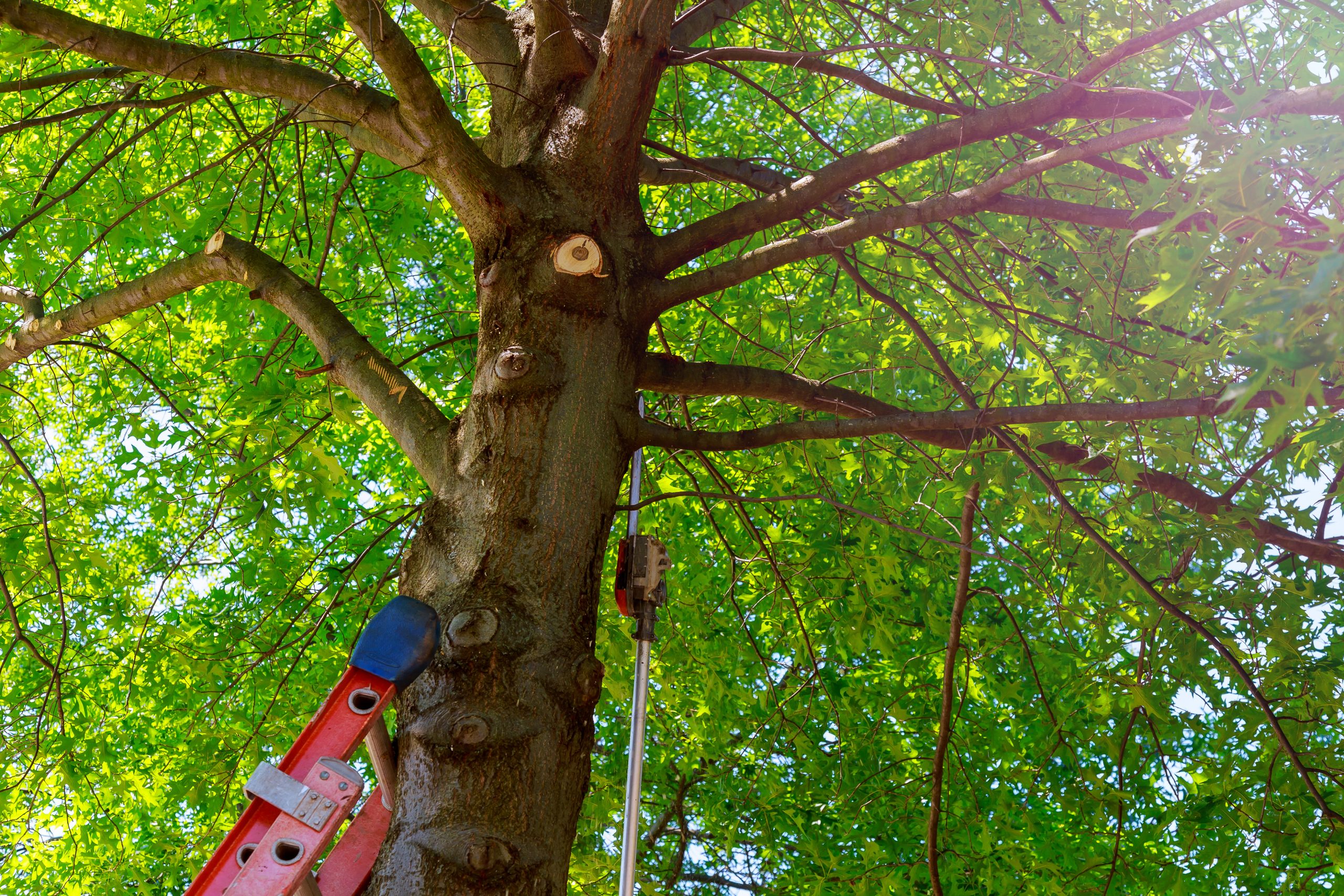
Tree pruning is the selective removal of specific branches to improve the health, appearance, and structure of a tree. Unlike tree cutting, pruning focuses on preserving the tree rather than removing it.
Benefits of regular pruning include:
- Encouraging healthy growth
- Removing dead or diseased branches
- Improving air circulation through the canopy
- Reducing the risk of falling limbs
- Enhancing the tree’s natural appearance
Routine pruning can also help extend a tree’s lifespan while reducing future maintenance costs.
Key Differences Between Tree Cutting and Pruning
Although both services involve removing branches, their goals are different.
Tree Cutting
- Removes large portions of a tree or the entire tree
- Used for hazardous, dead, or unwanted trees
- Improves property safety
- Often performed when repair is no longer possible
Tree Pruning
- Removes selected branches only
- Improves tree health and structure
- Encourages healthy growth
- Prevents future problems before they become serious
Knowing which service your tree needs requires evaluating its overall health, structural condition, and location.
When Should You Choose Tree Cutting?
Tree cutting is usually the best option if your tree:
- Has significant storm damage
- Shows signs of severe decay
- Is completely dead
- Poses a danger to nearby structures
- Cannot be saved through pruning
Removing a hazardous tree before it fails can prevent expensive property damage and reduce safety risks.
When Is Pruning the Better Choice?
Pruning is ideal when your tree is healthy but needs maintenance. Homeowners often schedule pruning to:
- Shape overgrown trees
- Remove weak limbs
- Increase sunlight in the yard
- Improve overall landscape appearance
- Reduce the chance of storm-related branch failure
Regular pruning keeps trees healthier and less likely to require emergency services in the future.
Why Professional Tree Care Matters
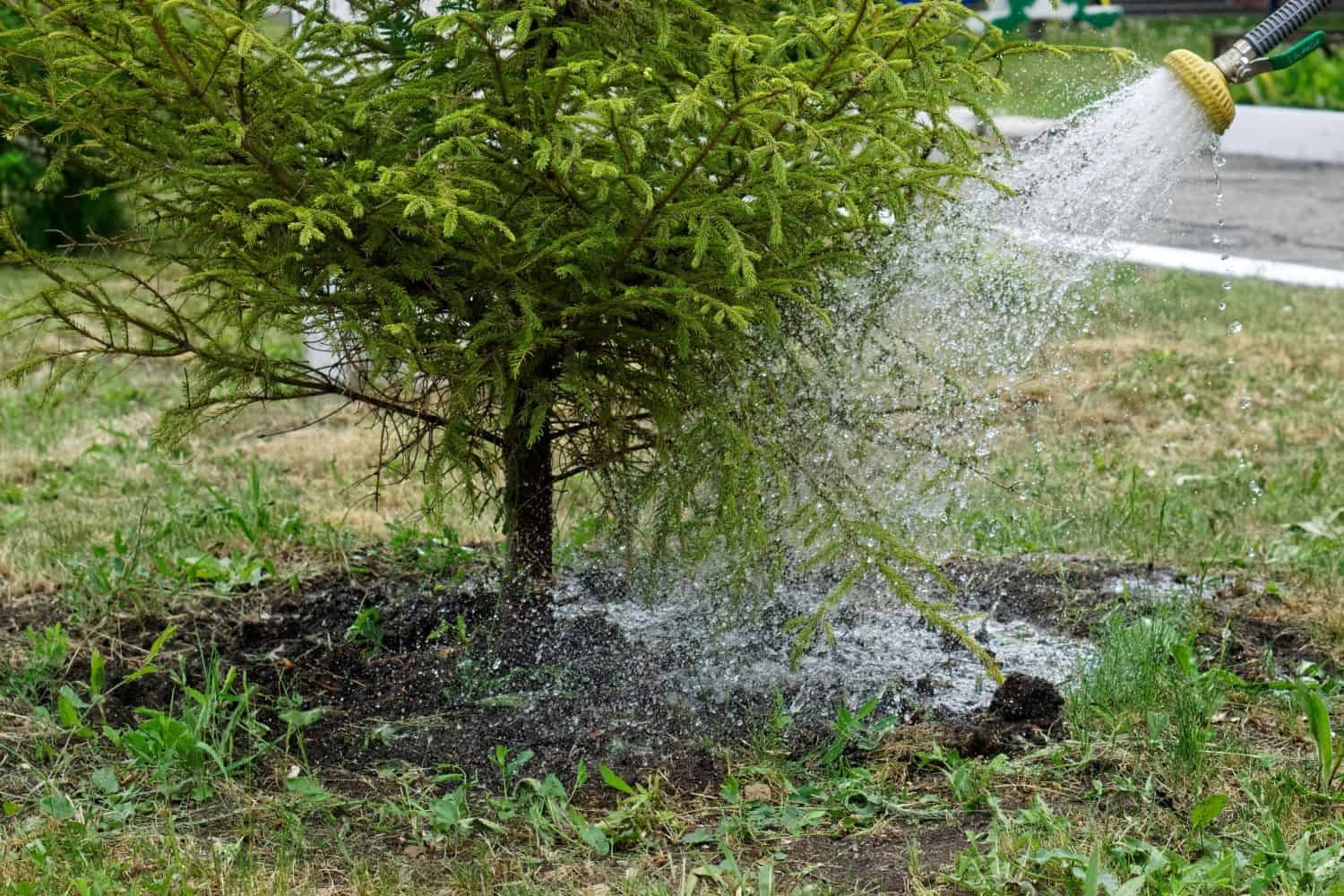
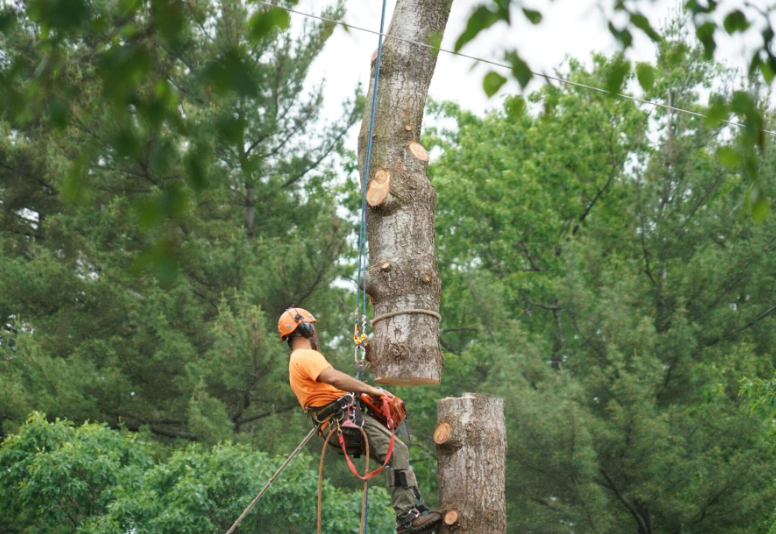
Tree maintenance involves more than simply cutting branches. Incorrect cuts can weaken a tree, encourage disease, or create long-term structural problems. Professional tree specialists understand proper pruning techniques, safe cutting practices, and how to identify issues that homeowners may overlook. Tree Cutting BX emphasizes safe tree removal, pruning, emergency service, and complete cleanup to protect both trees and surrounding property.
Conclusion
Choosing between tree cutting and tree pruning depends on the condition of your tree and your long-term landscaping goals. While pruning helps maintain healthy, attractive trees, tree cutting becomes necessary when a tree is beyond recovery or presents a safety hazard. Scheduling regular inspections and timely maintenance ensures your trees remain healthy, your property stays safe, and costly emergencies are avoided.


No Responses