
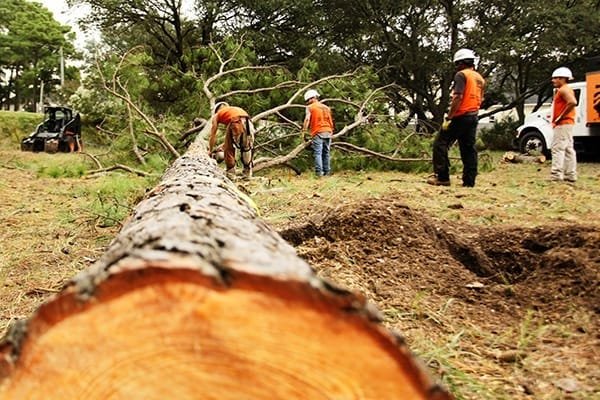
Damages in trees can be a stressful experience for homeowners, particularly when storms, high winds, or unforeseen accidents lead to fallen branches or uprooted trees. Under such circumstances, it may matter greatly to know how to file a tree insurance claim correctly. It is also worth knowing how to record damage and how to deal with your insurance company to ensure claims run fairly through the insurance company. This is a guide on the measures that homeowners need to undertake in order to secure their property and financial interests.
Understanding When Tree Damage Is Covered
Insurance does not cover all forms of tree damage, and this is the reason why it is necessary to review your policy. Most of the time, insurance is taken to cover damage caused by sudden occurrences like storms, lightning or heavy snow. When there is a tree fall that falls and destroys your home, fence, and another structure on which you have insurance coverage, there is a higher probability of coverage.
But damage which is occasioned by negligence, disease, or inadequate maintenance is usually not covered. Homeowners are supposed to take care of their trees as anticipated by insurance companies. The knowledge of such differences will avoid the denial of claims and reduce the risk when such damages arise.
Ensure Safety Before Documenting Damage
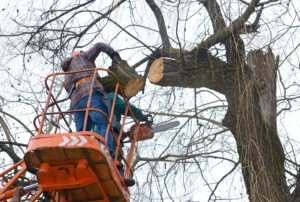
Safety should be given the first priority before any damage is documented. Hanging branches and fallen trees are dangerous. Never come close to trees that are unstable or try to remove them yourself, especially in areas that are near power lines or power structures.
After securing the area, the process of documentation can be started. In case there are any immediate hazards, call the emergency services or tree specialists first. Immediately dealing with safety issues is also a sign of responsible behavior to your insurance company.
How to Properly Document Tree Damage
The insurance claim would not be successful without quality documentation. Begin by making good shots and videos of the damage from various angles. Take close-ups of some of the broken branches, trunk damage, and structures and also in the form of wider view shots of the overall damage.
Document the day of the accident and time of the accident and weather conditions at the time. Store any tree branches or debris that fall until your insurance company directs you to the contrary. You can also use written notes which explain what took place to support your claim and make it clear when going through the review.
Contacting Your Insurance Company
Get your insurance company informed immediately after capturing the damage. Timely reporting contributes to accelerating the process of claims and preventing possible problems. Anytime you make a call to your insurer, be specific in what you say and do not make assumptions regarding what is covered without talking to an insurance representative.
An investigator can be deployed to examine the damage. Be ready to provide your documentation and respond to questions without lying. Effective communication assists in building a sense of trust and enhances a more reasonable result.
Working with Insurance Adjusters
The insurance adjusters evaluate the level of damage and eligibility for coverage. Show them round the problem areas during their visit, and give them your records. Indicate observable damage and describe the occurrence of the incidence.
Repairs should not be done prior to being looked into by the adjuster unless it is essential to safety. Interim solutions, like coating open spaces, are generally agreeable. Collaboration and openness at this phase avoid conflicts or time losses.
The Role of Professional Tree Services
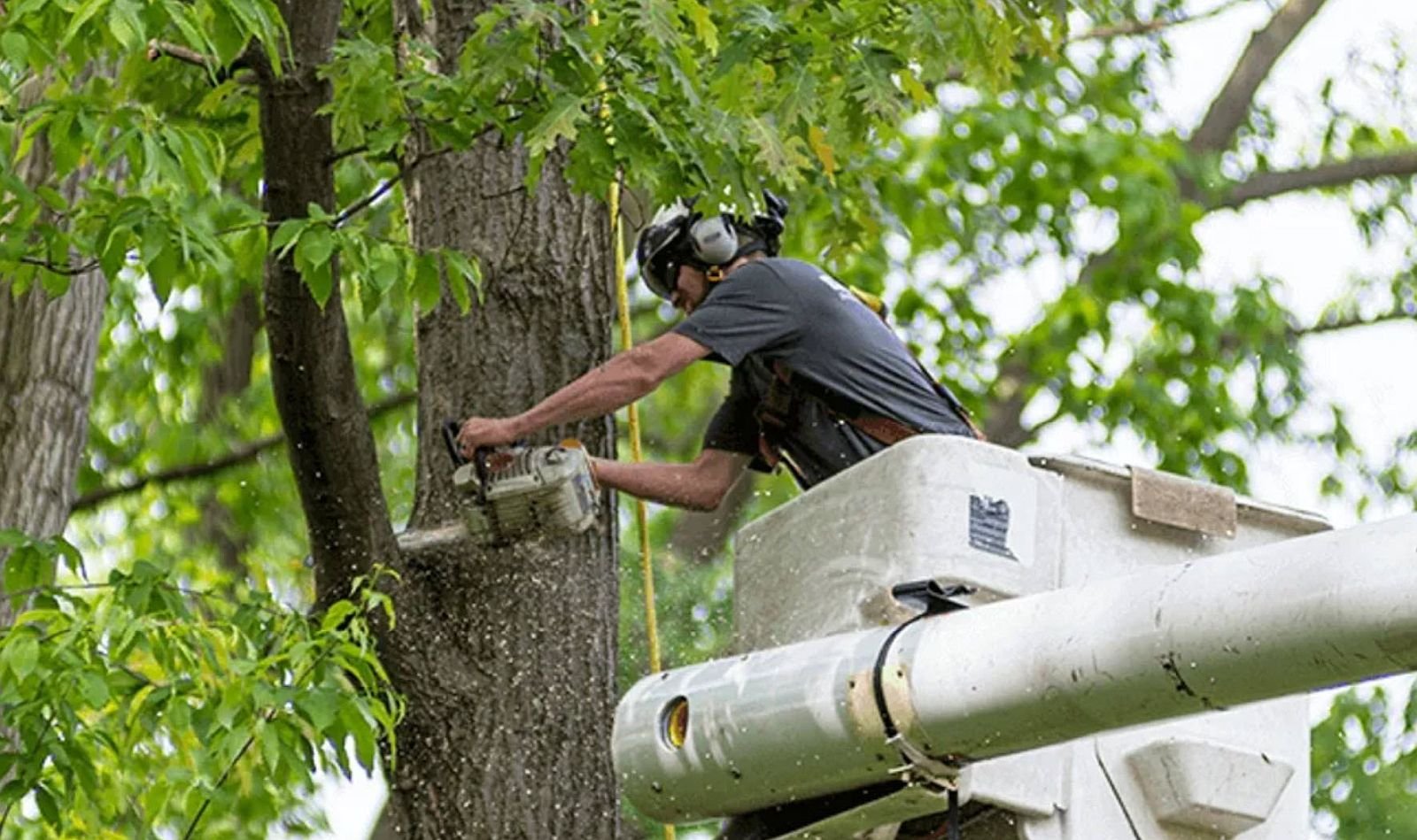
The professional tree service is significant in insurance claims. Licensed and insured providers have the opportunity to judge damage, suggest solutions, and give written estimates. Insurance companies may need these estimates to assess the costs of the claims.
Employing professionals is for the safety and accuracy of work. It also shows the insurers that it would have required some repairs or removals and that they were done responsibly, which helps to build a stronger argument.
When Tree Removal Is Necessary
In other instances, there is no way to save trees that have been destroyed, and they have to be cleared. Severely split trees, those that are leaning or uprooted, are a constant hazard. In case the tree has damaged an insured structure, it might be covered by insurance covering the removal of the tree.
Elimination of dangerous trees in time will help avoid further harm and liability. This should be well documented and professionally assessed so that removal costs can be taken into consideration when making the claims.
Avoiding Common Claim Mistakes
Most homeowners do this without realizing that they are making errors that will complicate the insurance claims. Any postponement of reporting, inability to document damage in detail or throwing away monitoring out too early can undermine a claim. Permanent repair that has not been authorized can also lead to the reimbursement being low.
The second miscalculation that people make is the misinterpretation of policy language. It is better to take time to check coverage and ask questions so as not to be surprised. Being organised and informed during the process enhances better impacts of claims.
Long-Term Prevention and Preparedness
Maintenance of the tree prevents the occurrence of subsequent damage and insurance claims. Frequent checkups, trimming, and maintenance assist in recognizing weak branches and structural complications in an early stage. Healthy trees have low chances of collapsing in case of storms.
The records of tree care services can also be used in making future claims. A record of responsible maintenance can be helpful in the future since it provides proof of your stance should future coverage issues be found.
Conclusion: Get Expert Help with Tree Damage and Claims
The process of approaching tree insurance claims demands proper writing, communication, and expertise. Coverage knowledge, errors to eliminate, and cooperation with specialists can render the process much less stressful.
In case of tree damage or if you have a professional job, then call Tree Cutting BX. They offer stable tree cutting, tree trimming, and tree removal services through their experienced staff to assist homeowners in managing the damage in a safe and efficient manner to facilitate winning insurance claims.


No Responses