
After a severe coastal storm or a sudden microburst hits the Bronx, or the East River, often the only thing that remains structurally compromised are residential properties with compromised timber. Whether you are a homeowner overlooking the Hudson in Riverdale, navigating a tight property line in Pelham Bay, or managing a multi-family lot in Soundview, a split or dying tree is a ticking liability clock.
But even chainsawing a tree in NYC isn’t as straightforward as turning the motor on and removing the debris. The NYC urban canopy is taken very seriously! Removing the wrong tree without consulting local regulations may lead to devastating damage to your home, homeowners insurance claims being invalidated and criminal/civil fines exceeding the cost of professional extraction.
This complete 2026 guide offers clear and concise information on the Bronx-specific local context, zoning exceptions, and municipal forestry laws that all Bronx property owners must navigate.
The Golden Rule of NYC Tree Law: Private vs. Public Jurisdiction
The question is: Do I need a permit? First, it is necessary to know exactly whose land the tree is on. In the Bronx, as in many other old boroughs in NYC, sidewalks, easements, and historic boundaries can be deceiving.
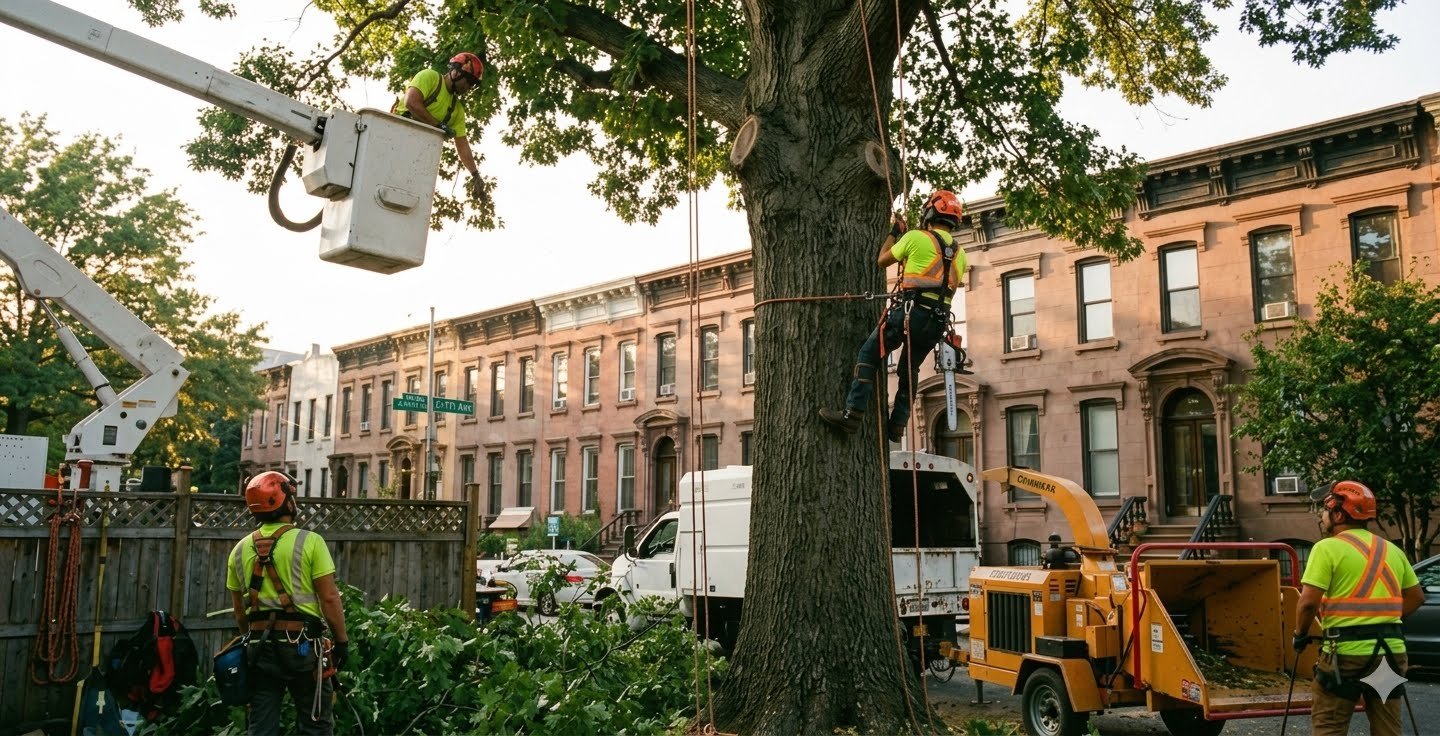
1. Street Trees (The Public Right-of-Way)
If the tree is in the grassed area or sidewalk cutout, between your front property line and the sidewalk, it is the property of the City of New York.
Strict Legal Notice: According to Title 18, Chapter 1, Section 18-129 of the New York City Administrative Code, it is illegal and a punishable misdemeanor for private citizens to remove, prune, or alter a street tree. Failure to do so without express approval from the municipality may result in serious criminal penalties, up to $15,000 in fines and up to one year imprisonment in jail.
You can’t take matters into your own hands if a street tree in front of your home is dead, leaning or causing severe damage to your concrete. There needs to be a formal inspection request through NYC 311 or the NYC Parks Department’s Forestry Division. The city will assess the tree and if it is determined to be in a high risk category the tree will be taken down at no cost to you, based on the city’s Tree Risk Management prioritized framework.
2. Private Property Trees
Generally, if you have a tree that is totally within your legal boundaries (as set forth in your title survey, for example, enclosed backyard, side courtyard, or set a good distance back on your front yard), the city backs off. NYC Parks does not provide maintenance or issue standard removal permits to trees on private property, unless the tree has been designated as a landmark.
But don’t think you’ve got a free hand when it comes to your particular address, remember to check with local zoning laws and environmental overlays.
When Does a Private Tree Require a Permit?
However, in certain Bronx neighborhoods and situations, other city departments and agencies, such as NYC Parks, the Department of Buildings (DOB) and the Landmarks Preservation Commission (LPC), impose strict regulations.
Special Natural Waterfront Areas & Zoning Districts
Much of the Bronx is underpinning certain environmental safeguards that seek to prevent erosion, control stormwater runoff, and maintain natural beauty. In such a Special Natural Area District (SNAD), your zoning code (local law) makes it illegal to alter the topography or remove mature trees (usually defined as trees 6” at breast height or more) unless you are able to submit a formal building plan review and obtain approval from the NYC Department of Buildings.
Historic Districts and Landmarked Properties
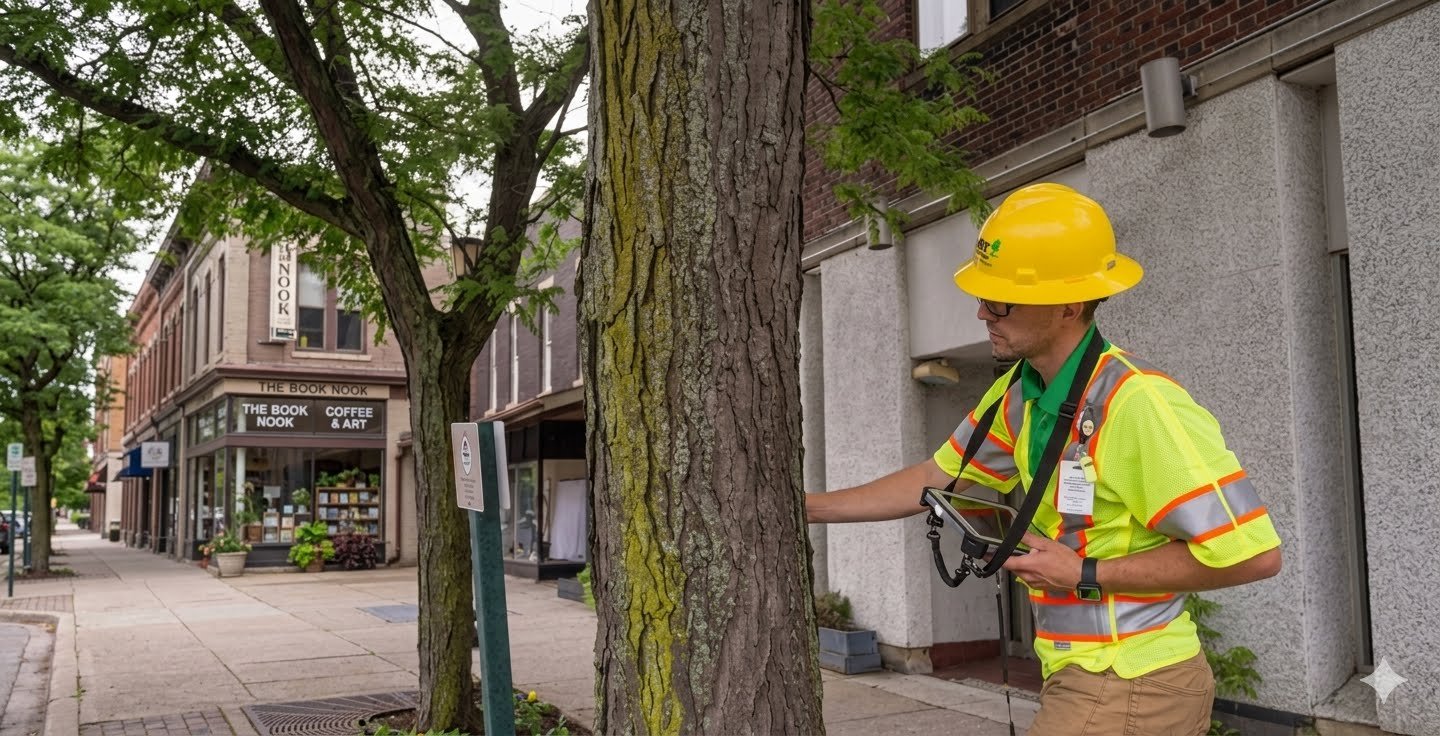
When your property exterior changes, such as large-scale landscape work or tree removal are involved, the Landmarks Preservation Commission (LPC) must approve your project if your home is a designated NYC landmark, or located in a designated historic district.
- Stop work orders and harsh penalties will be issued immediately if an historic specimen tree is removed without an LPC Certificate of Appropriateness or authorization.
- If you want to apply for permission to cut down a tree you must submit a clear document that outlines the reasons for the tree’s removal, as opposed to architectural pruning or support cabling, etc.
Proximity to City Infrastructure
A specialized protective permit is often required when the tree to be removed is a large tree located within 50 feet of city property or a public right-of-way and is being removed by the property owner or their contractor. This prevents damage to nearby public facilities, sidewalk beds or city root zones from your staging equipment, downed tree limbs or heavy equipment.
Immediate Danger and Storm Emergencies: The Exception
The main exception to the long permitting and application is an immediate and life threatening hazard.
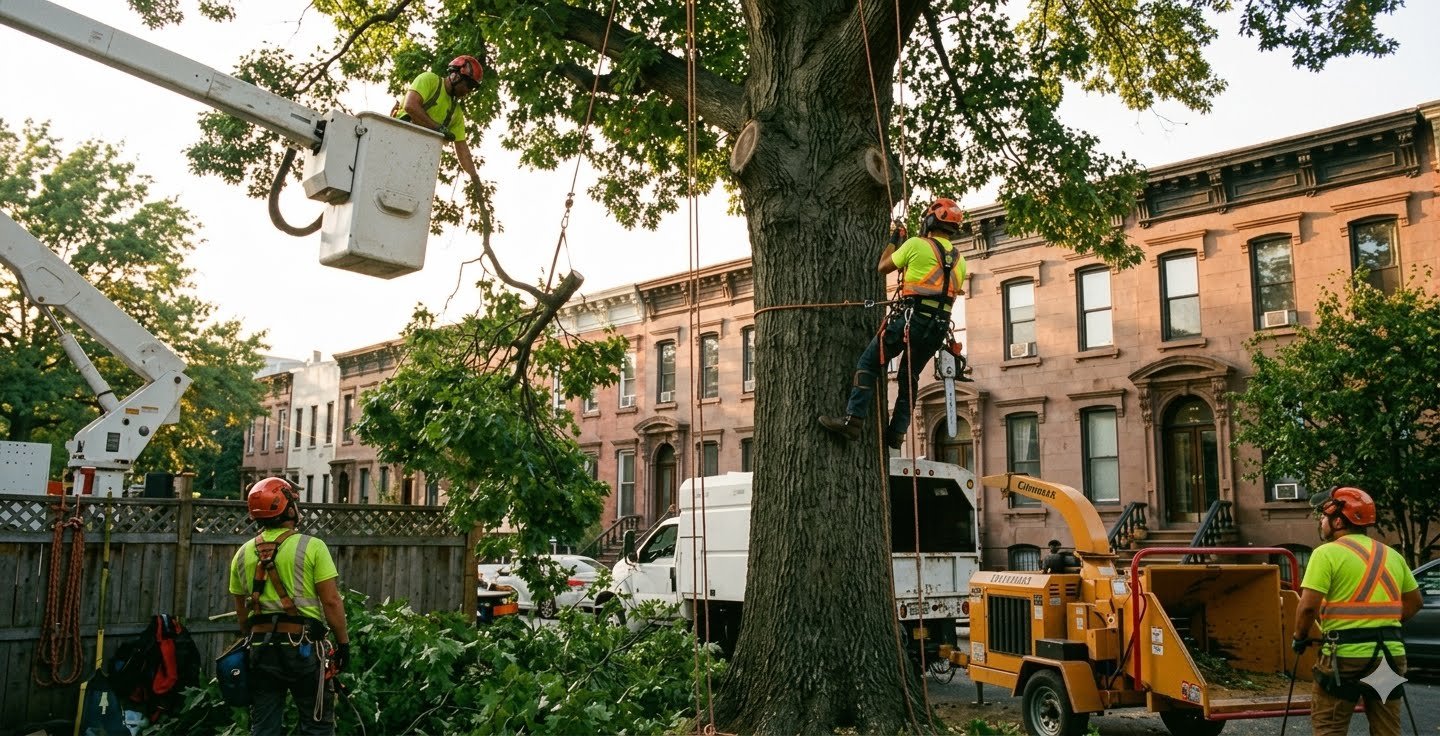
However, when a severe storm splits a large red oak so that it is leaning dangerously over a roof, power lines or public street, public safety takes precedence over administrative timelines.
- What to do: If power lines are involved in a true emergency call 911 or your utility provider immediately.
- The Legal Safeguard: You are permitted to clear immediate hazards to stabilize the property. But to protect yourself from any legal trouble that may happen down the road, make sure your tree service does a thorough job in documenting the crisis. This involves making photographs of the structural failure that are clear and high resolution, and obtaining an in situ, signed Emergency Assessment from an ISA Certified Arborist certifying that the tree was an active and imminent hazard.
Step-by-Step: How to Apply for an NYC Tree Work Permit
If your project involves a street tree, a city-adjacent root system, or a tree tied to an active construction project, you must navigate the official NYC Parks online portal.
1.Verify Your Property Survey Lines:
Review your actual deed and title plate of your property. Mark off the property lines with physical markers to make sure that 100% of the tree trunk is within the property line and not in the City’s utility easement.
2.Retain an ISA-Certified Arborist:
Use a certified arborist from the International Society of Arboriculture (ISA). They will perform a thorough Tree Risk Assessment and prepare a formal arborist report detailing the reasons for the inability to structurally retain.
3.Compile Your Documentation:
Get good pictures of the site, any close up of the disease/fungal growth, and architectural drawings of the property that show the critical root zone (in the event that any building additions are to be made.
4.Submit the Forestry Application:
File the official Tree Work Permit and Plan Review Application online via the NYC Parks website. Make sure all the details of your tree work entity, license and insurance are accurate.
5.Await the On-Site Municipal Inspection:
Please wait a minimum of 20 business days for an NYC Parks forestry inspector to inspect the location to ensure your claim is accurate. Do not begin any physical tree cutting or staging until the formal permit document is digitally issued.
What Happens If You Cut Down a Tree Illegally?
The monetary risk of cutting corners in the Bronx is far steeper than hiring a legitimate, permitted service. NYC enforces strict restoration laws designed to protect its canopy.Beyond municipal penalties, unpermitted tree removal can wreck your personal finances. If a non-certified, uninsured contractor accidentally drops an unpermitted tree onto a neighbor’s driveway or a city utility line, your homeowners insurance company will frequently deny coverage due to the illegal nature of the work, leaving you completely exposed to third-party civil lawsuits.
| Type of Violation | Potential Penalties (NYC Code) | Required Corrective Action |
| Street Tree Pruning / Minor Damage | Fines from $1,000 up to $5,000 | Restoration fees, compulsory arborist classes |
| Illegal Street Tree Removal | Up to $15,000 fine and/or 1 year in jail | Full restitution value of the tree, replanting mandates |
| Zoning/Landmark Private Violation | Structural stop-work orders, steep building code fines | Treble damages (triple the tree’s financial appraisal value) |
Safeguarding Your Property the Right Way
Whether you are dealing with a compromised sugar maple, an invasive tree of heaven, or a massive willow compromising your foundation, navigating municipal rules requires deep local expertise. When selecting an expert to hire, be sure to check on his/her ISA certification, the insurance that he or she has for workers’ compensation coverage that is active in New York State, and his or her experience in Bronx zoning issues.
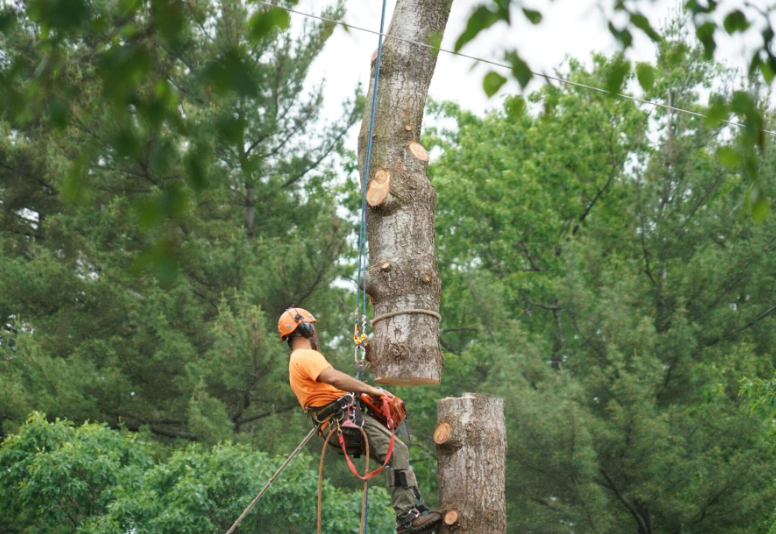
With all the necessary expertise and experience in tree removal and emergency clearance services, Tree Cutting BX is the local pro company you should reach out to when you need reliable, compliant, and fully insured service anywhere in the borough. They deal with all aspects, from safe crane rigging around power lines to guidance with the permitting process and keeping your home safe and 100% within the rules.


No Responses